
World Soccer April 2026: the issue putting football’s coaching boom under the microscope
The latest edition shifts the focus from the touchline drama on the pitch to the figures shaping it from the dugout, with rising coaches, World Cup themes and club stories from across the game.
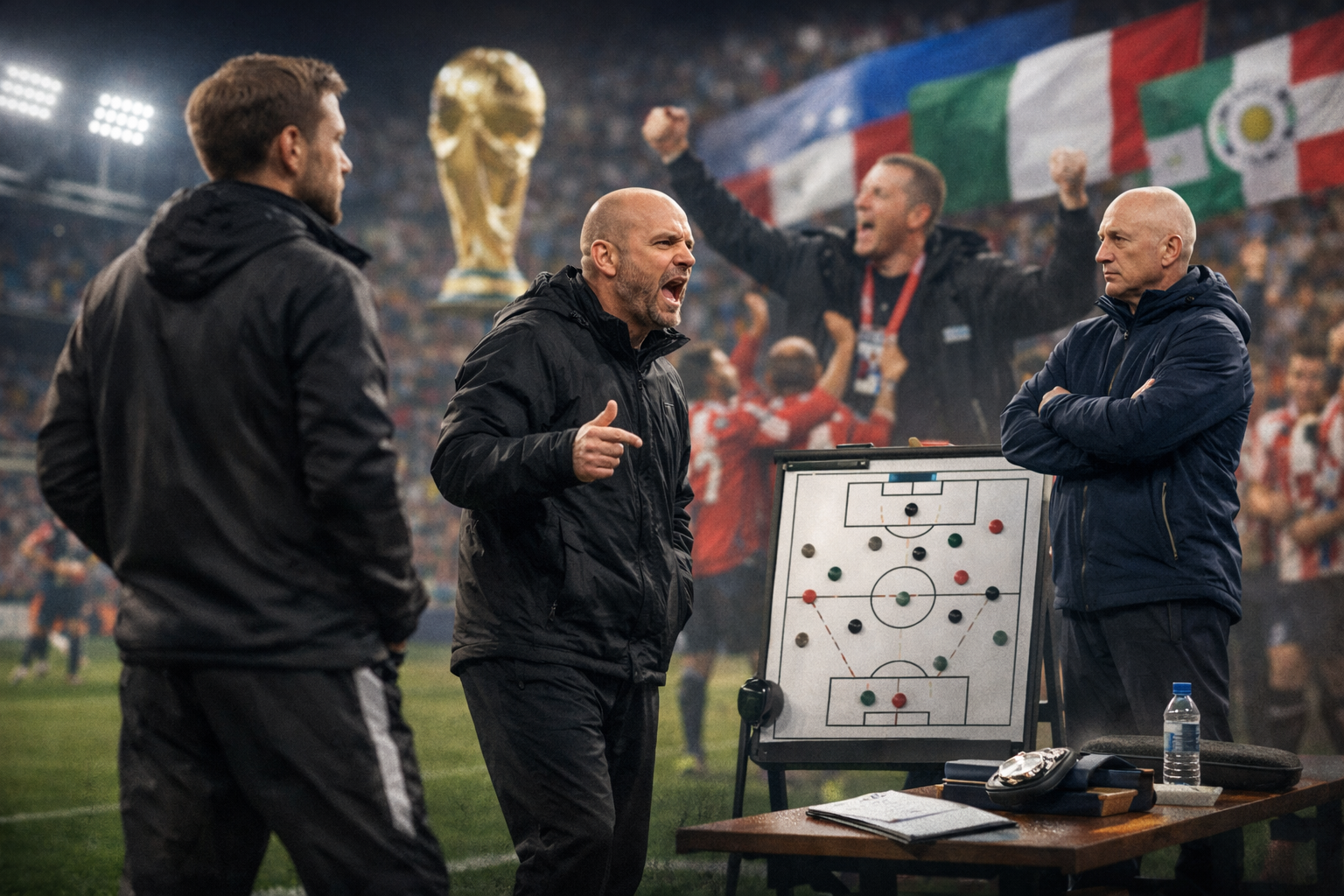
Football never stays still for long, but some months feel like they belong less to the players and more to the people on the touchline. The April 2026 issue of World Soccer lands in exactly that space, turning its attention toward the dugout at a moment when the sport’s next wave of managerial change is already beginning to take shape.
With several major coaching posts expected to come into play in the coming months, this edition is built around the people asked to define systems, set standards and carry clubs and countries through pressure. It is a timely editorial pivot, and one that feels aligned with the modern game, where the manager is increasingly discussed not just as a selector but as the central architect of identity.
In the issue’s introduction, managing editor Jamie Evans frames the central theme clearly: this month’s magazine looks beyond the pitch and into the minds shaping what happens on it. That means a special focus on emerging coaching talent around the world, but it also means boots-on-the-ground reporting from places where ideas are already being turned into results.
Among the headline features is a wide-ranging look at the brightest up-and-coming coaches in football. As clubs hunt for the next tactical edge and federations search for long-term clarity, identifying the game’s most interesting young managers has become more than a magazine exercise. It is one of the sport’s most relevant conversations. Which coaches are innovating? Which ones are adaptable? Which profiles are ready for the leap into the elite tier? This issue appears designed to ask those questions before the market moves.
That broader coaching theme is complemented by two pieces that bring the subject into sharper focus. Josh Butler travels to Norway for a look at Viking’s title-winning managerial partnership, a feature that promises insight into a setup that has clearly done more than simply outperform expectations. In an era when football leadership structures are evolving, a successful double act offers a different lens on authority, collaboration and tactical preparation.
There is also a face-to-face interview with Bochum head coach Uwe Rosler, with Ben McFadyean visiting Germany to get closer to one of the more experienced figures in this month’s coaching-heavy package. Rosler’s career has taken in different leagues, different pressures and different football cultures, so his inclusion adds balance to an issue that is not only interested in the next names on the rise but also in the managers already navigating the game’s demands in real time.
The England story is present too. Henry Winter weighs in on Thomas Tuchel and his new contract, posing a simple but loaded question: is the deal a risk? It is the kind of topic that carries obvious intrigue given England’s expectations cycle, the scrutiny attached to every national-team decision and the challenge of aligning short-term tournament ambition with long-term planning. For readers tracking the international game, that piece is likely to be one of the first stops.
Elsewhere, the issue keeps one eye firmly on the next World Cup. A dedicated feature examines the main talking points as preparations intensify, while Keir Radnedge asks whether the tournament is set for the United States again. Jim Holden, meanwhile, takes a different angle by considering whether the World Cup is due an underdog winner. Together, those pieces suggest a magazine interested not only in tournament logistics and hosting politics, but also in the competitive patterns that shape football’s biggest event.
That mix of macro themes and football culture has long been part of World Soccer’s appeal, and the April edition appears to lean into it. Jonathan Wilson contributes on why tactical trends are not cyclical, a topic that should appeal to readers who want more than surface-level conversation about systems and style. There is also an “On the radar” spotlight on Matheus Mane, plus the usual statistical and historical touchpoints through sections such as “In numbers”, obituaries and a round-up of moves that may have slipped below the mainstream radar.
The eyewitness features look particularly strong this month. The magazine heads to Haiti for a report on what it calls the World Cup’s most dangerous nation, a title that suggests a story stretching beyond football alone and into the wider context around the sport. There is also a stop in France to examine Strasbourg fans and multi-club ownership, one of the defining structural debates in modern football. In Serbia, readers are taken inside the Eternal Derby, one of the game’s fiercest and most politically charged rivalries. Those pieces should add texture to an issue that does not want to be boxed into pure tactics or pure results.
The features section broadens the scope further. Alongside the coaching package and the Viking story, there is a player spotlight on RB Leipzig and Ivory Coast winger Yan Diomande, whose development will be of interest to readers tracking emerging attacking talent. Como 1907 also get the club-focus treatment, with the Italian side’s rise making them one of the more curious stories in European football’s middle tier. The Scottish Premiership title race rounds out that section, offering a domestic battle with history, pressure and momentum all in play.
The interview list extends beyond Rosler. Cape Verde manager Bubista is featured in another face-to-face conversation, while Dante reflects on his biggest game in a separate interview slot. Those pieces should give the issue a human layer that complements the more structural and analytical features elsewhere.
Women’s football is represented through an NWSL preview, an important inclusion as the league continues to shape elite development and influence the wider women’s game. The global scope remains intact in the “World Service” section too, with updates spanning Asian Cup 2027 qualifiers, AFCON 2027 preliminary qualifying, the CAF Champions League, AFC Champions League Elite, the Canadian Premier League, football’s return in Sudan and OFC Champions League qualifiers in Samoa.
Taken together, the April 2026 edition looks like a magazine built around one of football’s most valuable currencies: ideas. Not just goals, not just results, but the people, structures and strategic choices that increasingly decide both. That makes the coaching focus feel less like a niche editorial angle and more like a read on where the sport is right now.
For readers of football culture and analysis, that is likely the hook. This is not simply a collection of match-driven updates. It is an issue that appears to ask how football is being shaped behind the scenes, who is driving the next phase of change and what those shifts might mean as clubs and countries prepare for defining months.
If the game’s conversation in 2026 is increasingly about leadership, tactical evolution and succession planning, then World Soccer’s latest edition has arrived at the right time. The dugout, more than ever, is where some of football’s biggest stories begin.